HOME STUDIO
Don't Let the Machines Take the Wheel: AI in Your Music Studio
AI tools can either be a shortcut to a generic sound or a powerful assistant in your workflow. Here is how to keep the human element front and center.
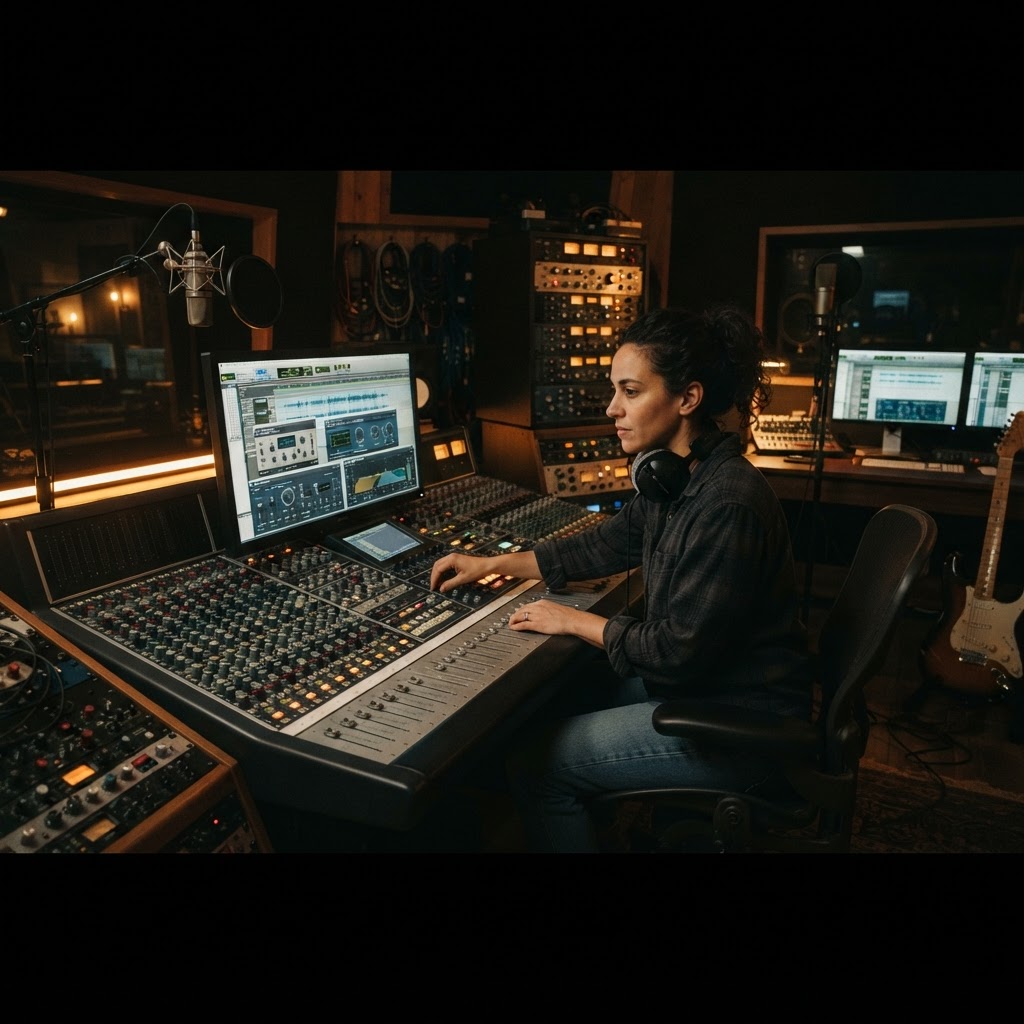
Listen, I’ve been mixing records and managing stages since before most of these 'AI-powered' plugins were even a glimmer in a programmer's eye. I’ve seen gear come and go, but the noise surrounding Artificial Intelligence right now is louder than a feedback loop at a poorly managed outdoor festival. Everyone is asking me: 'Bob, is AI going to replace my ears?' Here is the truth from someone who has spent 40 years behind a console: No. But it will change how you work. Let’s talk about how to use these tools without losing your soul. Use AI as a Consultant, Not a Composer There is a huge difference between using a tool to save time and using a tool to make creative decisions. If you are using an AI generator to write your lyrics or build your entire arrangement, you aren't making music—you are just curating software output. Where these tools actually shine is in the mundane, boring stuff that keeps you from your creative flow. Think about AI-powered EQ matching or spectral repair tools. If I have a track with a nasty resonant frequency that’s taking me twenty minutes to notch out, and an AI plugin does it in three seconds while leaving the character intact, that’s a win. Use AI to clean up your workspace, not to build the house. Trust Your Ears Over the Display Modern AI plugins love to show you pretty graphs and 'optimal' settings. They will tell you that your kick drum is perfectly balanced or that your master meets the streaming loudness standards. That is all fine and good, but physics doesn't care about a UI. If the plugin tells you the track sounds 'perfect' but your gut says it feels hollow, stop. In my studio, the monitor screen is just a tool; the speakers are the reality. If you rely on AI to mix your music, you’ll end up with a mix that sounds exactly like everyone else's. Learn the theory, understand the phase relationships, and know why you are pushing a fader. If you don't know the 'why,' the machine is in charge, and that is a dangerous place to be. Mastering the Hybrid Workflow The most effective approach I’ve found is the 'Human-in-the-Loop' method. You start with your vision, you track your instruments, and you get the vibe right on your own. When it comes time to mix, bring in the AI assistants for the heavy lifting. Need to isolate a vocal stem from a dusty old demo recording? Let the AI handle the extraction. Need to automate a tedious volume adjustment across a 10-minute composition? Let the software take the load. Then, take the reins back. Adjust the compression to give it some 'snap,' tweak the reverb tail to fit the space, and make the hard choices about what stays and what goes. The secret is to use AI to remove the friction so you can spend more time actually being an artist. Don't fear the tech, but never let it dictate the emotional core of your music. If you treat AI like a smart intern rather than a master engineer, you’ll be ahead of 90% of the pack. Stay curious, but keep your hands on the faders.
EAR-TRAINING FIELD TRIP
Los Angeles, CA, USA
Walt Disney Concert Hall
YOUR EXERCISE HERE
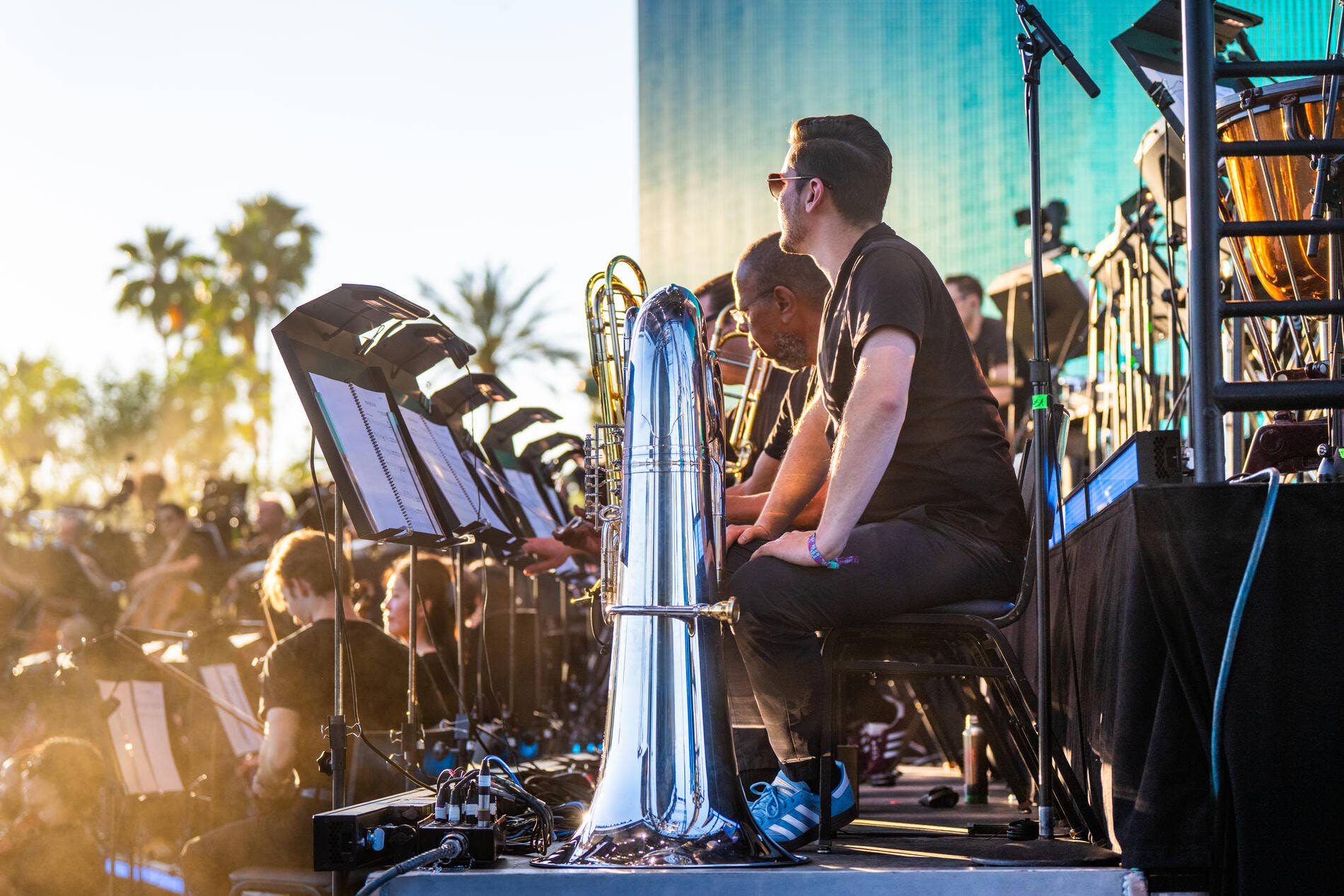
Find a seat in the middle of the orchestra section and close your eyes during an unamplified performance. Listen specifically for how the hall's natural decay time allows the transients of the percussion to bloom without masking the delicate textures of the strings, then compare that organic clarity to the artificial, processed sound you hear in your DAW.
Free Listening Worksheet
5 questions on sound & music (2 fill-in-the-blank). Take it to the venue.
You Just Read the Free Version.
The full Sound Check course turns this into a system — 8 modules, 6 hours, a room that finally sounds right.
ENROLL NOW — $97