
MICROPHONE TECHNIQUES
Dynamic vs. Condenser Mics: Stop Getting It Wrong
Choosing the wrong mic type is the most common recording mistake beginners make. Here's the 30-second test that tells you which one you need.
If you're recording vocals with a condenser mic in an untreated room and wondering why it sounds harsh and roomy, this is for you.
The difference in one line
Condenser mics are sensitive and detailed — they hear everything, including your room. Dynamic mics are rugged and forgiving — they reject the room and focus on what's close.
When to use which
Use a condenser when your room is treated and you want detail: studio vocals, acoustic guitar, overheads. Use a dynamic when the room is bad or the source is loud: untreated vocals, podcasting, amps, drums, live stage. A Shure SM58 in a closet will beat a $1000 condenser in a live bedroom every time.
The 30-second test
Record the same line with both mics at the same distance. Listen back on headphones. The one that sounds closer and more present — not louder, closer — is the right one for that source in that room.
The right mic isn't the most expensive one. It's the one that fits the source and the room. Stop reaching for the condenser by default.
EAR-TRAINING FIELD TRIP
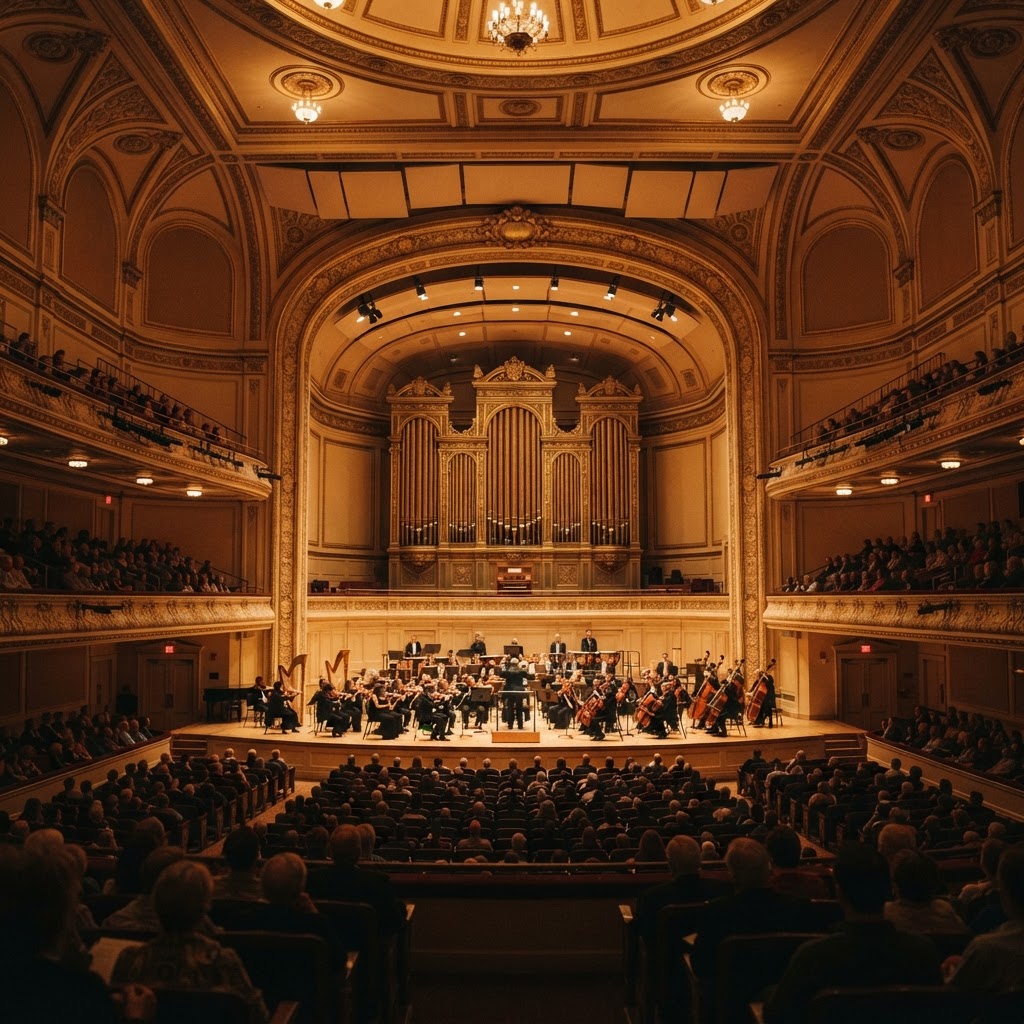
Chicago, USA
Symphony Center
YOUR EXERCISE HERE
Close your eyes and focus on the decay of a solo cello note; notice how the room's natural reflections interact with the instrument's high-end transients. If you were miking this, a condenser would catch that air and shimmer, whereas a dynamic might blunt the edges of that delicate resonance.
Free Listening Worksheet
5 questions on sound & music (2 fill-in-the-blank). Take it to the venue.
You Just Read the Free Version.
The full Sound Check course turns this into a system — 8 modules, 6 hours, a room that finally sounds right.
ENROLL NOW — $97