LIVE SOUND
Stop Fiddling and Start Mixing: The Practical Sound Check Routine
Learn a veteran sound engineer's streamlined approach to getting a perfect live mix before the first note of the show hits.
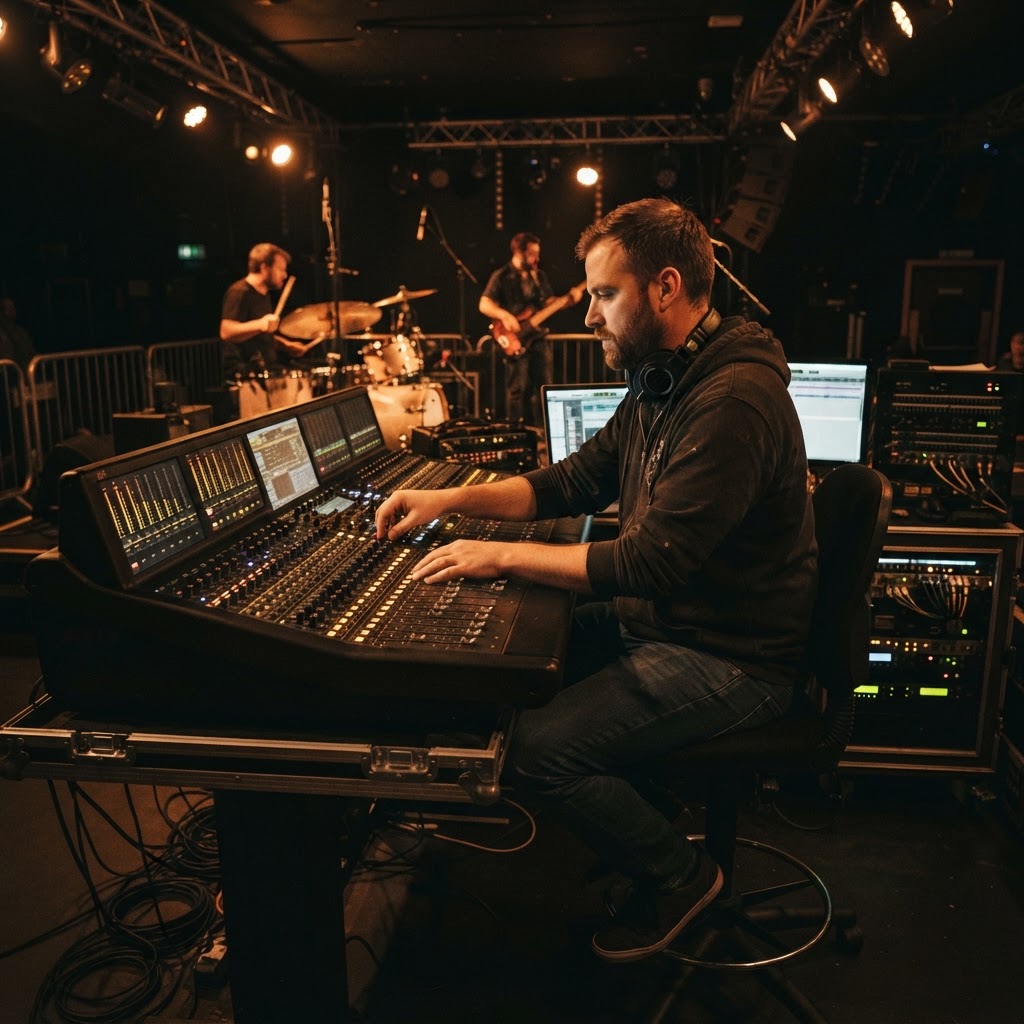
Look, I’ve spent over four decades standing behind mixing consoles, from dingy Scottsdale bars to professional stages. If there is one thing I’ve learned, it’s that most beginners treat a sound check like a band rehearsal. It isn't. A sound check is for the engineer to make sure the room and the gear are talking to each other properly. If you want a great show, you need to be efficient. Here is how I do it, every single time.
Establish the Gain Structure First
Forget EQ for a second. If your gain staging is a mess, no amount of fancy processing will save you. Have the drummer play at performance volume—not a polite, tentative tap. Get the kick and snare locked in first. I start with the kick drum, get a solid level, and then move to the rest of the kit. The goal is to get a clean, undistorted signal into your preamp before it ever hits the board. If the preamp is clipping, the whole mix is doomed. Once the drums are solid, bring in the bass. These two elements are your foundation. If they aren't locking in, the rest of the mix will feel thin and weak.
EQ for Clarity, Not for Tone
Too many engineers go hunting for 'sweet spots' with their EQ before they even hear what the instrument sounds like in the room. Don't do it. Start by using a high-pass filter on everything except the kick drum and bass guitar. Clean up the mud around 200Hz to 400Hz. If a guitar sounds harsh, pull back the high-mids, but don't over-engineer it. Remember, you are working with the room acoustics, not against them. If you’re fighting the room, stop and reposition the mics. I’d rather move a microphone three inches than boost a frequency by six decibels. Keep your processing subtractive; cut the bad, leave the good alone, and stop tweaking once it sounds like the instrument.
The 'Band Blend' Walkthrough
Once the individual channels are dialed in, have the band play a song—not just a loop, but an actual song. This is where you find the 'band blend.' Watch the interaction between the lead singer and the rhythm section. Is the vocal buried? Instead of boosting the vocal gain, try cutting a little space in the guitars at the same frequency where the vocal lives. This is the secret to a professional sound: carving out pockets in the frequency spectrum so every instrument has a home. Don't look at your screen; look at the stage. Listen with your ears, not your eyes. If you can clearly hear the lyrics and the groove is driving, you’ve done your job.
Consistency is the hallmark of a pro, so keep your routine tight and your ears fresh for showtime.
EAR-TRAINING FIELD TRIP

Nashville, TN, USA
Ryman Auditorium
YOUR EXERCISE HERE
Find a seat in the middle of the room and close your eyes while a sound check is in progress. Listen specifically for how the natural reverberation of the wooden pews and plaster walls interacts with the vocal transients, and try to identify the exact moment the sound hits the back wall versus the direct signal from the stage.
Free Listening Worksheet
5 questions on sound & music (2 fill-in-the-blank). Take it to the venue.
You Just Read the Free Version.
The full Sound Check course turns this into a system — 8 modules, 6 hours, a room that finally sounds right.
ENROLL NOW — $97