LIVE SOUND
Stop Over-Mixing: A Veteran Engineer’s Guide to Clean Sound
Learn how to stop chasing perfection and start building a mix that breathes. Here are my top strategies for beginners in the world of live audio.
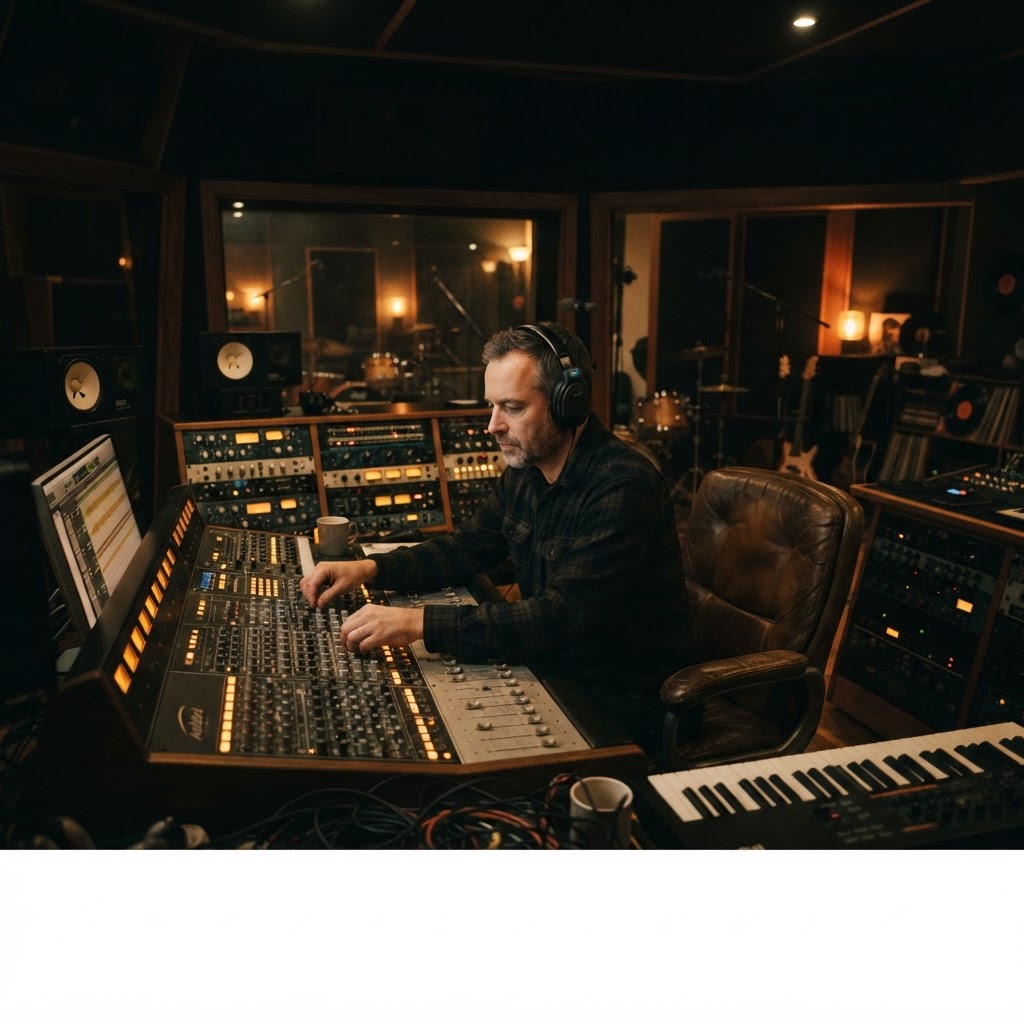
I’ve spent forty years standing behind a mixing console, from sweaty Scottsdale dive bars to large-scale events. If there is one thing I’ve learned, it’s that beginners usually try to do too much. When you are starting out, the temptation is to touch every knob, push every fader, and add heavy processing to every single channel. Stop doing that. A great mix isn't about how much you add; it’s about how much you clear out. The Art of Subtractive EQ The biggest mistake I see is players and new engineers boosting frequencies to make things 'pop.' If your kick drum sounds thin, don't automatically boost the low end. First, carve out a tiny bit of space in the bass guitar or rhythm guitar at the same frequency where the kick lives. Subtractive EQ—taking away the bad stuff—is far more powerful than additive EQ. If you start by cutting the mud from the low-mids and the harshness from the highs, you’ll find that your instruments naturally sit in their own pockets without you having to turn them up. Think of it like organizing a room: get rid of the clutter before you try to decorate. Mastering the Gain Structure Before you touch your EQ or your effects, your gain structure must be perfect. If you start with a weak signal at the preamp, you are going to be chasing noise for the rest of the night. Set your input gain so it’s healthy and peaking just below clipping on your loudest passages. If your gain structure is sloppy, no amount of expensive outboard gear or fancy plugins will save your mix. It will sound thin and brittle because you're essentially amplifying the 'noise floor' instead of the music. Get this right at soundcheck, and your mixing job becomes 50% easier for the rest of the gig. Listen to the Room, Not Just the Speakers You aren't just mixing the band; you are mixing the room. The physical space you are in dictates how the sound travels. If you're in a room with a lot of concrete and glass, the high end is going to get jagged and fatiguing quickly. Don't be afraid to pull back the master high-frequency output if the room is naturally bright. Conversely, if the room is a low-end trap, don't force the sub-bass. Trust your ears over your eyes; if the band sounds balanced to the audience but looks 'quiet' on your meter, you are doing it right. Keep your signal path clean, prioritize subtractive EQ, and listen to the room before you ever move a fader. Mixing is about managing energy, not just pushing sliders. Take your time, stay curious, and always keep your ears fresh.
EAR-TRAINING FIELD TRIP

Nashville, TN, USA
Ryman Auditorium
YOUR EXERCISE HERE
Find a seat in the balcony and close your eyes during an acoustic set to isolate the natural decay of the room. Listen specifically for how the wooden pews and curved architecture diffuse the sound, and try to identify the exact moment the direct sound from the stage meets the room's natural reverb.
Free Listening Worksheet
5 questions on sound & music (2 fill-in-the-blank). Take it to the venue.
Get the six cheat sheets — free
One page each for room acoustics, gain structure, live sound, mixing, mic placement and guitar setup. The numbers and the moves, nothing else.
No spam. Unsubscribe anytime.
You Just Read the Free Version.
The full Sound Check course turns this into a system — 8 modules, 6 hours, a room that finally sounds right.
ENROLL NOW — $97