LIVE SOUND
Stop Overthinking: The Essential Mixing Fundamentals
Forty years behind the console has taught me that great sound isn't about fancy plugins; it is about gain staging and surgical subtractive EQ.
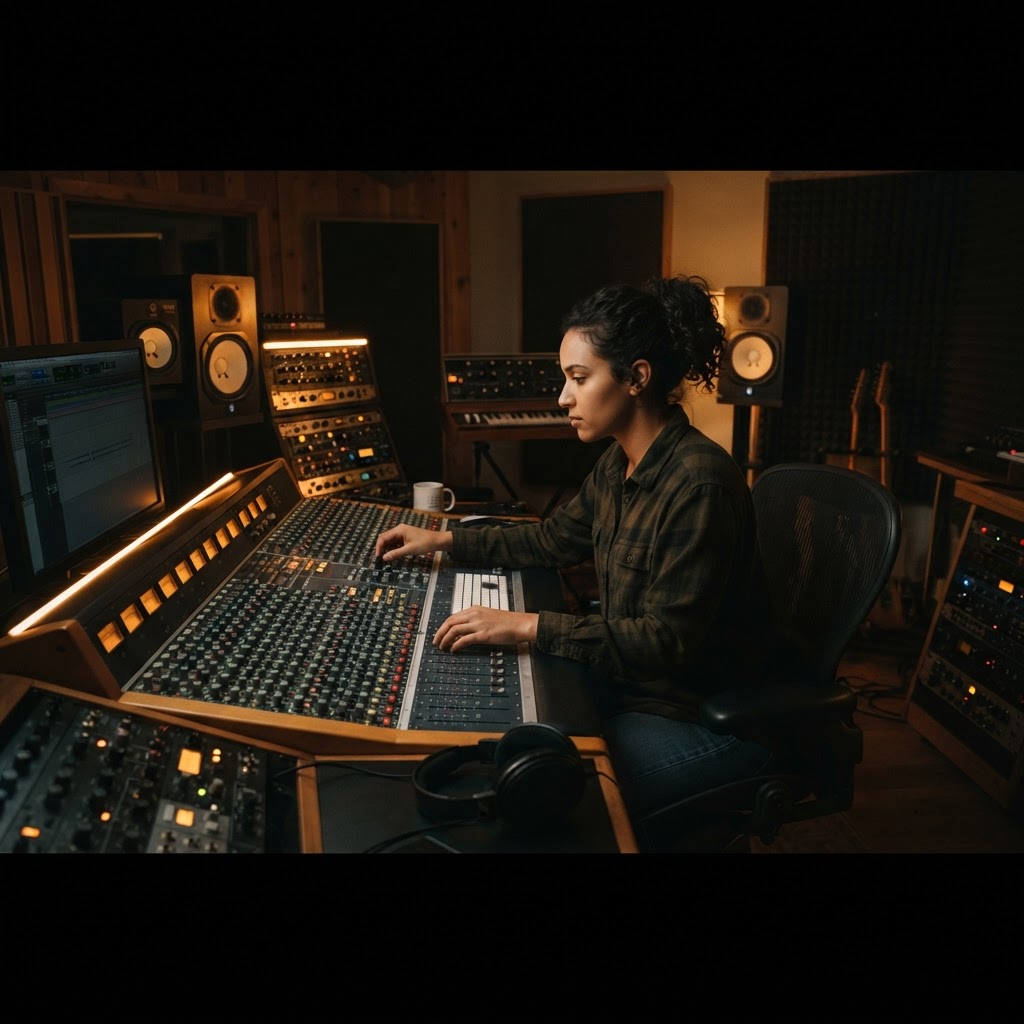
After four decades of turning knobs in clubs across Arizona and beyond, I’ve seen enough beginners get lost in the weeds of signal chains and 'magic' effects. If you want to get a clean, professional mix, you need to strip away the noise. Let’s get to work. Master Your Gain Staging It all starts at the source. If you start with a weak, noisy signal, no amount of compression will save your mix. Set your gains so your peaks hit around -18dBFS on your digital meters. Keep your faders at unity—that's the '0' mark—and mix by moving them only when absolutely necessary. If a track is too quiet, turn up the preamp, not the fader. When your gain structure is clean, your headroom stays open, and your mix stops sounding like a muddy disaster. Subtractive EQ is Your Best Friend Most beginners reach for an EQ to boost frequencies because they want things to 'pop.' Stop that immediately. Instead, reach for the EQ to remove the junk you don't need. Use a high-pass filter (HPF) on every single channel except the kick drum and the bass guitar. Roll off everything below 80Hz to 100Hz on vocals and guitars to clear out the low-end mud that clutters the mix. If a vocal sounds harsh, find the boxy frequency between 300Hz and 500Hz and cut it by 3dB. Less is always more. Prioritize the Vocal and Kick I tell my students in 'Sound Check with Bob' that if the vocal isn't clear, the audience goes home unhappy. Build your mix around the vocal. Get that level sitting perfectly against the kick drum, and then bring in the rest of the instruments around them. If a guitar is fighting with the vocal for space, don't turn the guitar up. Instead, use a subtle cut in the guitar's mid-range frequencies to carve out a pocket for the vocal to sit in. Think of your mix like a suitcase; if you put the heavy things in first, you can fit the smaller items in the gaps later. Don't be afraid of silence, and don't be afraid to keep it simple. Your ears are the only tool that truly matters, so listen more than you move. Trust your instincts, start with a solid foundation, and you will hear the difference immediately. Keep your signal path clean and your mixes focused, and the rest will fall into place.
EAR-TRAINING FIELD TRIP

Nashville, TN, USA
Ryman Auditorium
YOUR EXERCISE HERE
Find a seat in the wooden pews and close your eyes during the soundcheck. Focus specifically on how the natural reverberation of the room interacts with the vocal; notice how the space fills the gaps without muddying the clarity of the lyrics.
Free Listening Worksheet
5 questions on sound & music (2 fill-in-the-blank). Take it to the venue.
You Just Read the Free Version.
The full Sound Check course turns this into a system — 8 modules, 6 hours, a room that finally sounds right.
ENROLL NOW — $97