LIVE SOUND
Stop the Feedback Loop: Mastering Your Monitor Mix
Learn how to build a professional-grade monitor mix that keeps your band comfortable and your ears protected during every set.
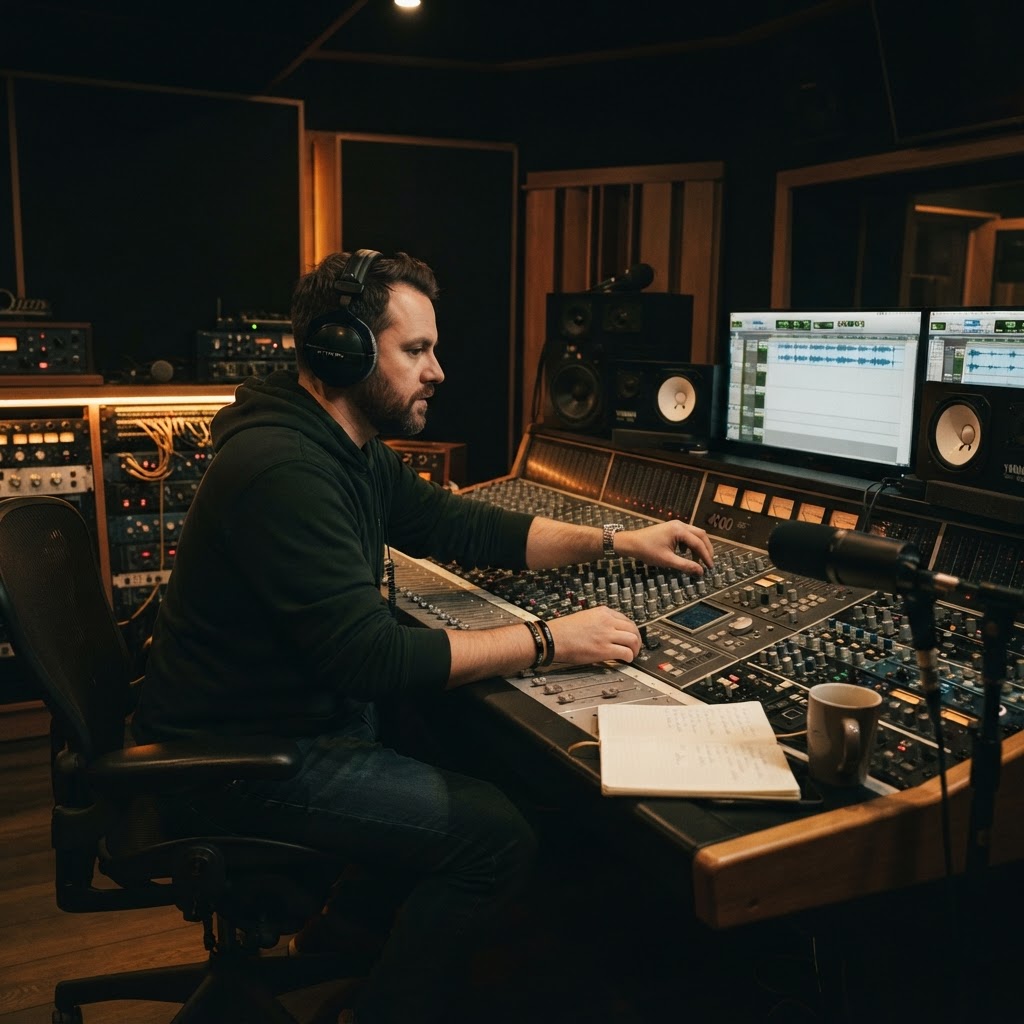
I’ve spent four decades behind the mixing console, and I’ve learned one absolute truth: if the musicians can’t hear themselves clearly, the audience is going to hear a train wreck. When you're standing on stage in Scottsdale or anywhere else, your monitor mix isn't just a luxury; it’s the foundation of your performance. If you're struggling to find the pocket or constantly pushing your voice until it cracks, you've got a monitoring problem, not a talent problem. The Golden Rule of Subtractive EQ Most beginners make the fatal mistake of adding volume when they can't hear a specific instrument. Stop reaching for the gain. If your vocal is buried, don't turn yourself up—turn the other instruments down. Your goal is a 'less is more' approach. Start by cutting frequencies that clutter the mix. If the kick drum is muddying up your bass line, pull 200Hz out of the kick in the monitor send. By cleaning up the low-end mud, you leave room for the instruments to poke through without needing massive volume. You’ll find that a quieter, cleaner mix actually sounds much 'louder' and more articulate than a loud, distorted mess. Headphone Etiquette and Safety If you’re working in the studio or using IEMs (In-Ear Monitors), treat your ears like the most expensive microphones you own. You only get one pair. Use a limiter. I can’t stress this enough. A sudden spike—like a dropped mic or a cable pop—can do permanent damage. Set your levels during soundcheck with your limiter engaged. Also, try to get a 'dry' sound in your phones. Avoid burying your mix in reverb or delay while you're trying to track or perform. If you can’t hear the raw, honest tone of your instrument, you aren’t learning how to control your dynamics. Keep the 'wet' effects for the front-of-house engineer; you need the dry signal to ensure your pitch and articulation are spot on. The Hierarchy of Needs Think of your mix like a pyramid. At the very bottom, you need the reference rhythm—the kick drum and the bass. If those two aren't locked in, the song has no foundation. Once that’s stable, layer in the lead vocals or the primary solo instrument. Everything else—rhythm guitars, keyboards, background percussion—is just the icing on the cake. If you’re fighting to hear the tambourine over the lead singer, you’ve got the pyramid flipped upside down. Adjust your priorities, pull back on the secondary elements, and let the core of the song breathe. Remember, the best monitor mix is the one you forget you have. Don't worry about making it sound like a finished, mastered record. Focus on clarity, space, and volume control. When you stop fighting the mix, you finally start playing the music. Good sound starts with you, so take control of your space and listen with intention.
EAR-TRAINING FIELD TRIP

Nashville, TN, USA
Ryman Auditorium
YOUR EXERCISE HERE
Find a seat in the middle of the floor and close your eyes during the soundcheck. Listen specifically for how the hard plaster walls and curved pews diffuse the high-frequency reflections, creating a natural, warm decay that doesn't require heavy digital processing.
Free Listening Worksheet
5 questions on sound & music (2 fill-in-the-blank). Take it to the venue.
You Just Read the Free Version.
The full Sound Check course turns this into a system — 8 modules, 6 hours, a room that finally sounds right.
ENROLL NOW — $97