LIVE SOUND
The Stage Box Got Smart: What Digital Snakes Mean for Live Sound in 2026
Digital stage boxes used to be a luxury for arena tours. In 2026 they're showing up at 200-cap rooms. Here's what changed, what it costs you, and the one thing the gear can't do for you.
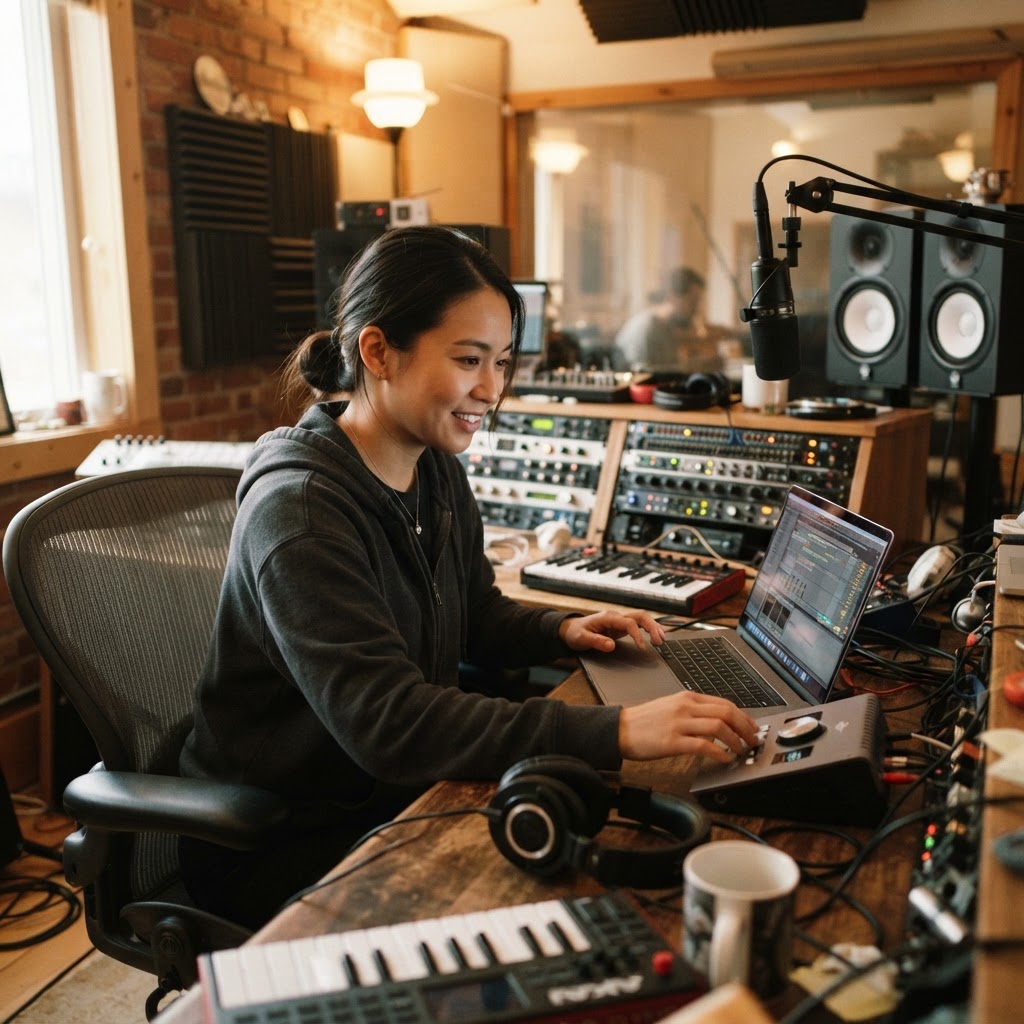
I remember when a "snake" meant a 100-pound coil of copper you wrestled across a stage at 2am, praying you didn't bust an XLR. In 2026, the snake is a Cat-6 cable and a box the size of a lunch pail. The stage box got smart, and it's changing live sound faster than anything since the digital console itself.
What Actually Changed
Three things landed at once. First, digital networking got cheap. Dante, AVB, and the proprietary ecosystems around them are now affordable down to the bar-band level. A single Cat-6 run carries 64 channels both ways. Second, stage boxes got good and got small. You can put preamps right next to the kick drum, run one cable to FOH, and skip the copper entirely. Third, personal mixing is standard. Every musician can run their own IEM mix from a phone.
What It Costs You
There's a price, and it isn't money. It's latency and complexity. A digital network adds a few milliseconds of delay — usually fine, occasionally nasty on in-ears when something in the chain misbehaves. And when a digital snake fails, it fails completely. A copper snake loses a channel; a network drop loses the whole show. So you carry a backup, and you learn to read a network switch the way my generation read a soldering iron.
The Three Habits That Save You
1. Label both ends of every Cat run. The single biggest cause of "where's my vocal?" in 2026 is an unlabeled cable pulled and re-plugged by a helpful drummer. Label it. Both ends. Today.
2. Set up a redundant network ring when the show matters. Dante redundancy is a 15-minute setup that turns a single-cable failure from a show-stopper into a non-event. Do it for anything over a 200-cap room.
3. Give the band a failsafe IEM mix before doors. If the network hiccups mid-set, the band's ears should default to a usable mix, not silence. Program it, test it, and tell the drummer what it'll sound like if it kicks in.
What the Gear Still Can't Do
Here's the part the manufacturers won't put in the brochure: a smart stage box will route, preamp, and network your signal flawlessly, and your show will still sound bad if you don't know what a balanced vocal sounds like in a room full of bodies. The network delivers the signal. It doesn't deliver taste. I watched an AI auto-mixer nail the gain structure on a stage last month and then turn the low end to mud the moment the crowd walked in (full story in this month's newsletter). The tech is brilliant. The ears are still the job.
The Field Trip
Go hear a great-sounding room and pay attention to how the system disappears — no harshness, no boom, just the band. That invisible quality is what all this gear is in service of. Don't fall in love with the cable. Fall in love with the result.
EAR-TRAINING FIELD TRIP
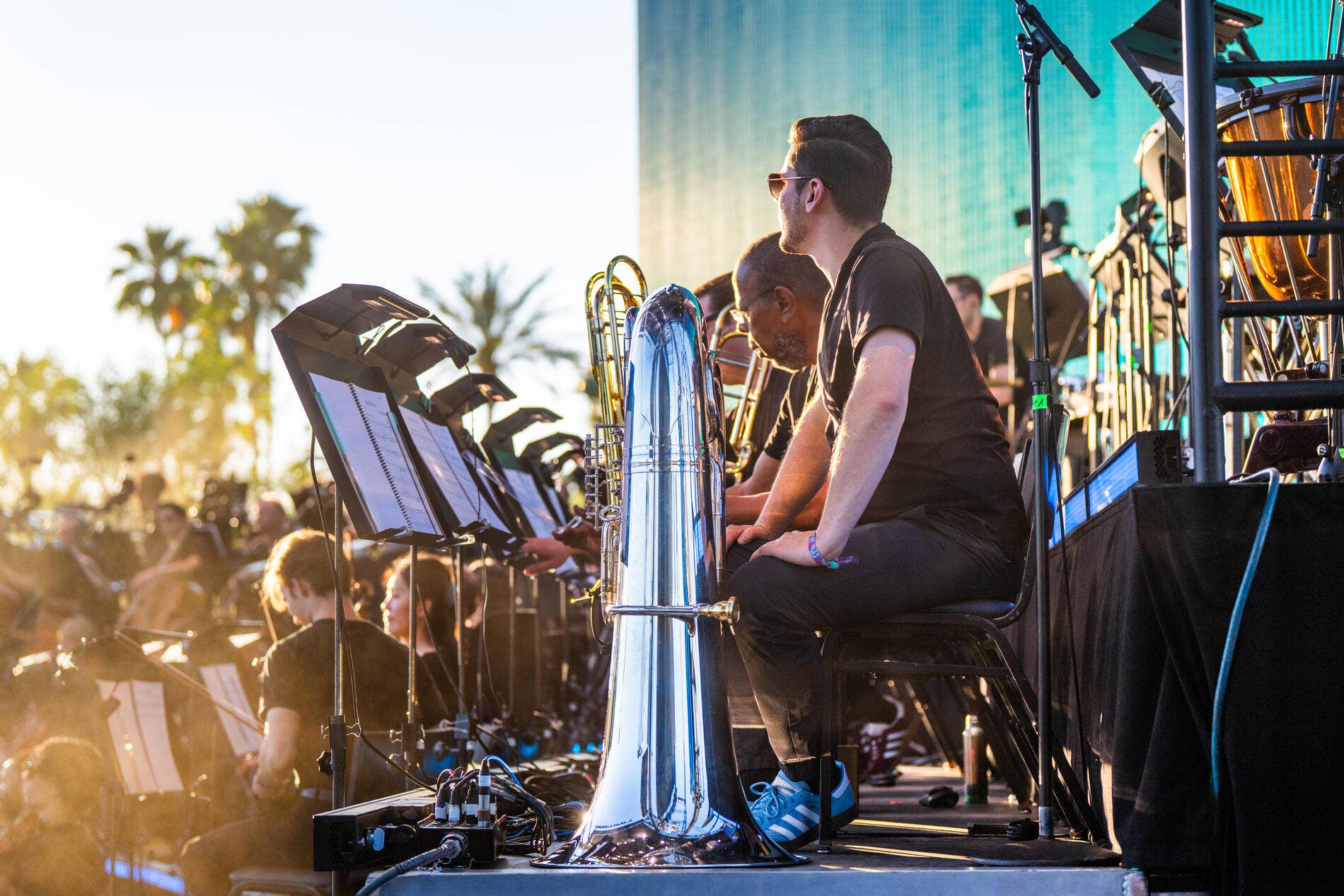
Los Angeles, CA, USA
Walt Disney Concert Hall
YOUR EXERCISE HERE
Take a seat in the center of the Vineyard-style seating and close your eyes during a quiet orchestral passage. Listen for the way the hardwood surfaces reflect the natural decay of the strings; you're trying to identify the 'air' in the room that we engineers spend years trying to preserve through a digital signal path.
Free Listening Worksheet
5 questions on sound & music (2 fill-in-the-blank). Take it to the venue.
You Just Read the Free Version.
The full Sound Check course turns this into a system — 8 modules, 6 hours, a room that finally sounds right.
ENROLL NOW — $97